
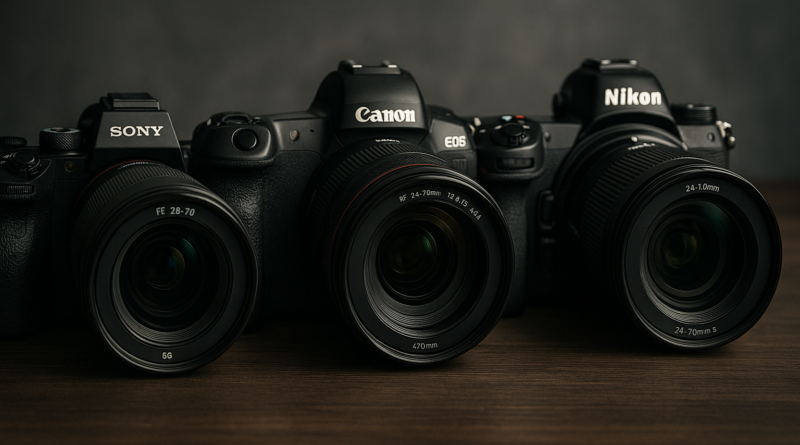
Sony vs Canon vs Nikon: Which Camera Ecosystem Is Best in 2026?
Choosing between Sony vs Canon vs Nikon in 2026 isn’t only about sensor performance or autofocus speed—it’s about the camera ecosystem you’ll be building for years. The “best camera brand” is the one that fits your photography style today and still supports your upgrades tomorrow: lenses you’ll want, bodies you’ll grow into, software workflows that match your habits, and service options where you live. In this guide, we’ll compare the ecosystems across three pillars—lens ecosystems, autofocus and usability, and long-term support—so you can decide with confidence.
1) Lens Ecosystems: The Real Foundation of Any Camera Ecosystem
When photographers talk about a camera ecosystem, the lens lineup is usually the deciding factor. In 2026, all three brands offer strong options, but they “feel” different depending on your priorities.
Sony: Broad third-party support and flexible modern lineups
Sony’s mirrorless ecosystem has matured quickly, and it tends to benefit from a wide range of native lenses plus abundant third-party choices. That matters if you like experimenting with focal lengths or you want to control costs without sacrificing quality. Sony’s system is also particularly appealing to creators who frequently switch between stills and video workflows, because the lens ecosystem is designed with modern production needs in mind.
Canon: A deep, proven lens library with strong native options
Canon remains a favorite for photographers who want a “known quantity.” Its lens ecosystem is extensive, and many photographers appreciate how straightforward it can be to expand over time. If you’re the type who prefers to buy once and keep lenses for years, Canon’s lineup is often a comfortable match—especially for users who value consistent ergonomics and predictable results across a wide variety of shooting scenarios.
Nikon: A balanced approach with strong optics and loyal communities
Nikon’s ecosystem is frequently praised for optical character and build quality. While the ecosystem has evolved significantly, Nikon’s advantage often shows up in how cohesive the system feels for photographers who enjoy deliberate, craft-focused shooting. If you’re building a long-term kit with a focus on image quality and lens character, Nikon can be a strong contender.
Quick takeaway: If you want maximum flexibility and broad selection (including third-party), Sony often leads. If you want depth and continuity with a large native library, Canon is a top choice. If you want a cohesive, optics-forward system with a dedicated user base, Nikon remains compelling.
2) Autofocus and Performance: What “Ecosystem” Means in Real Shooting
Autofocus isn’t just about raw specs—it’s about how reliably the system tracks your subject across changing light, movement, and composition. In 2026, all three brands deliver strong autofocus performance, but the “ecosystem” advantage comes from how well the body and lens ecosystem work together over time.
Sony: Subject tracking that scales well across genres
Sony’s mirrorless ecosystem is widely associated with fast, dependable subject detection and tracking. For photographers who shoot a mix of action, portraits, travel, and wildlife, this can reduce missed moments and make it easier to stay in the creative flow. The ecosystem also benefits from a large community of users and educators, which can help you find settings guidance and workflow tips quickly.
Canon: Consistency and usability for photographers who shoot often
Canon’s strengths in 2026 are often about usability—how quickly you can dial in settings and how reliably the system behaves in everyday shooting. Many photographers find Canon’s approach to menus, controls, and shooting modes intuitive, which can matter more than small differences in headline performance.
Nikon: Steady performance with a “photographer first” feel
Nikon’s autofocus and performance are strong, particularly for photographers who value a more traditional shooting experience while still getting modern tracking capabilities. Nikon tends to appeal to users who want a camera that feels deliberate and responsive rather than overly “gadget-like.”
Quick takeaway: For fast-moving subjects and mixed genres, Sony’s ecosystem often feels the most forgiving. For everyday consistency and intuitive operation, Canon is frequently a strong pick. For photographers who want performance with a grounded, craft-oriented feel, Nikon can be an excellent match.
3) Workflow and Software: The Ecosystem Beyond the Camera
A modern camera ecosystem includes more than hardware—it includes how you ingest, edit, and share images. In 2026, photographers increasingly expect smooth integration with editing software, cloud workflows, and mobile sharing. This is where the “best camera brand” can depend heavily on your personal workflow.
Sony: Creator-friendly tools and strong connectivity
Sony’s ecosystem tends to support streamlined workflows for creators who frequently move between capture, review, and editing. If you like reviewing on mobile devices, quickly sharing to clients, or maintaining a consistent post-production pipeline, Sony often fits well.
Canon: Straightforward file handling and reliable ecosystem integration
Canon users often praise the practicality of the overall workflow—file handling, connectivity options, and compatibility with common editing routines. If you prefer a workflow that’s easy to maintain with minimal friction, Canon can be a comfortable ecosystem to build around.
Nikon: Efficient editing pipelines with a focus on image quality
Nikon’s ecosystem is often chosen by photographers who care deeply about image quality and want a workflow that supports that focus. Nikon’s approach can feel especially appealing if you edit with a consistent, intentional process and prefer stable, predictable results.
Quick takeaway: If you prioritize fast creator workflows and connectivity, Sony is often a top fit. If you want simplicity and reliability across common post-production steps, Canon tends to shine. If you prioritize an image-quality-first editing mindset, Nikon can be a great match.
4) Long-Term Value: Service, Upgrades, and Ecosystem Longevity
In 2026, long-term value is about more than resale price—it’s about whether the ecosystem will keep supporting your needs. Consider three factors: availability of lenses, body upgrade paths, and service/support in your region.
Sony: Strong momentum and frequent ecosystem expansion
Sony’s ecosystem has continued to expand rapidly, giving photographers confidence that future lens and accessory options will remain available. If you like the idea of growing your kit over time with new releases, Sony’s momentum can feel reassuring.
Canon: Deep continuity and a mature upgrade path
Canon often stands out for long-term continuity. Many photographers appreciate that the ecosystem can feel stable—meaning you can plan upgrades without constantly rethinking your entire kit. This can be especially valuable if you already own lenses or plan to invest in a long-lived set.
Nikon: Loyal support and a clear identity
Nikon remains strong for photographers who value a consistent “system identity.” While expansion patterns may differ from Sony’s, Nikon’s ecosystem can still offer long-term satisfaction—particularly if you choose lenses and bodies aligned with the way you shoot.
Quick takeaway: For “futureproofing” through frequent ecosystem expansion, Sony is often a safe bet. For continuity and predictable long-term planning, Canon is frequently favored. For a cohesive system with strong user loyalty, Nikon can be an excellent long-term ecosystem.
Conclusion: Which Ecosystem Is Best in 2026?
There’s no single winner for Sony vs Canon vs Nikon in 2026—because “best” depends on how you shoot and how you plan to grow. Here’s a practical way to decide:
- Choose Sony if you want maximum ecosystem flexibility, broad lens availability (including third-party), and strong subject-tracking performance for varied genres.
- Choose Canon if you value intuitive day-to-day usability, deep native lens options, and a stable long-term upgrade path.
- Choose Nikon if you prefer a cohesive, optics-forward ecosystem with a photographer-first feel and a workflow that supports deliberate image-making.
If you’re still deciding, the best next step is to list the lenses you’ll likely want in the next 2–3 years and check availability in your region. That simple exercise usually reveals the answer faster than comparing spec sheets. And if you already own lenses, your decision is even clearer: the “best camera brand” is the one that keeps your existing kit useful while expanding your creative options.