
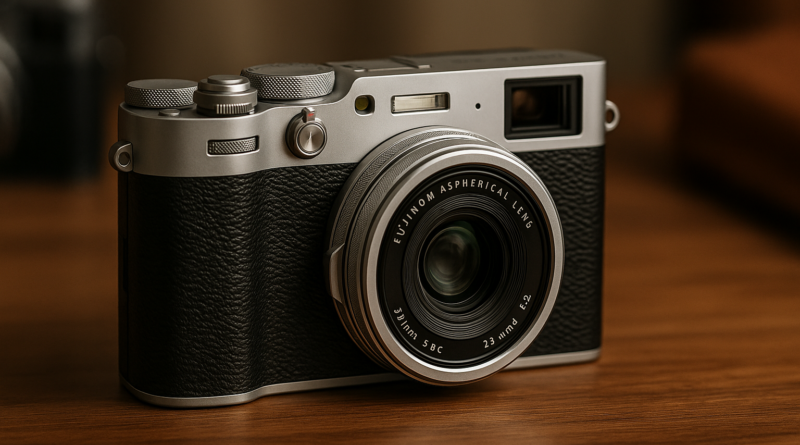
Fujifilm X100VI Full Review, Specification and Impressions in 2026
The Fujifilm X100 series has always been about one thing: delivering a premium, everyday shooting experience with a classic rangefinder-inspired design and modern image-making technology. In 2026, the Fujifilm X100VI remains one of the most talked-about compact cameras for photographers who want a stylish form factor without sacrificing serious results. In this full review, we’ll break down the key specifications, real-world handling, image quality, and who the X100VI is (and isn’t) for—so you can decide confidently before you buy.
Check Fujifilm X100VI prices on Amazon
Design, Build, and Ergonomics (What It Feels Like to Shoot)
From the moment you pick up the X100VI, it’s clear Fujifilm designed for photographers who care about tactile controls. The camera’s body feels sturdy, with a layout that encourages quick adjustments—especially when you’re shooting in changing light. The controls are thoughtfully placed for thumb-and-finger operation, and the overall size makes it genuinely portable for street photography, travel, and everyday carry.
One of the X100VI’s biggest strengths is its “grab-and-go” usability. You can move from standby to shooting quickly, and the camera’s physical dials help you dial in exposure without diving through menus. In 2026, that matters more than ever: many photographers are balancing creativity with efficiency, and the X100VI is built for that rhythm.
Best for: photographers who like manual control feel, compact handling, and a camera that’s ready when inspiration hits.
Specifications Overview (Key Features That Matter in 2026)
While the X100VI is a compact camera, its specification set is designed to deliver modern performance. Here are the core areas photographers typically evaluate—especially when comparing options in 2026.
- Sensor: APS-C X-Trans CMOS with Fujifilm’s color science and film simulation ecosystem.
- Lens: fixed prime (classic focal length for street and everyday use), designed for sharpness and character.
- Autofocus: hybrid AF system with improved tracking and responsiveness for moving subjects.
- Viewfinder: optical/electronic hybrid viewing experience (with a modern EVF option for critical composition in low light).
- Image processing: updated Fujifilm engine for strong detail, reliable noise handling, and pleasing tonal transitions.
- Video: capable of producing high-quality footage for creators who want a compact hybrid camera.
- Connectivity: Wi-Fi/Bluetooth for quick transfers and remote shooting workflows.
In practical terms, the X100VI’s specification highlights translate to a camera that can handle both stills and casual video without feeling limited. The fixed-lens design means you’re committing to a specific perspective—which is exactly why many photographers love the X100 series. If you want to “zoom with your feet” and build a consistent visual signature, the X100VI supports that approach well.
Image Quality in Real-World Use: Color, Detail, and Low Light
Image quality is where the X100VI earns its reputation. Fujifilm’s APS-C sensor and processing pipeline produce images with a distinctive look—especially in skin tones and natural color rendering. In 2026, many cameras chase “clinical sharpness,” but the X100VI tends to deliver a more photographic balance: crisp detail where it matters, smooth tonal gradients, and film-like color profiles that reduce the need for heavy editing.
Daylight and street scenes: In bright conditions, the camera resolves fine textures cleanly. Street photography benefits from the fixed focal length and quick shooting workflow: you can concentrate on framing and timing rather than constantly changing settings or lenses.
Indoor and low light: The X100VI performs well when light drops, maintaining usable detail and minimizing harsh noise patterns. While no compact camera replaces a larger-sensor system in extremely dark conditions, the X100VI’s noise handling is strong enough for everyday low-light work—especially when you expose carefully and use the right film simulation.
Dynamic range and highlights: In high-contrast scenes, the X100VI handles highlights thoughtfully, helping preserve sky tones and bright surfaces. The result is a camera that supports both casual snapshots and more deliberate compositions.
Film simulations: Fujifilm’s color presets are a major reason photographers stick with the X100 line. In 2026, the X100VI remains a favorite for shooters who want “ready-to-share” JPEGs. You can also shoot RAW for flexibility, but the simulations make it easy to build a consistent style quickly.
Fujifilm X100VI on Amazon – Compare Prices
Autofocus, Performance, and Battery/Workflow Impressions
Autofocus performance is a key deciding factor for street and travel photographers, and the X100VI generally delivers reliable focus acquisition. In everyday use—walking portraits, candid moments, and spontaneous scenes—it tends to lock on quickly and maintain focus when subjects move slightly.
Performance feel: The camera’s responsiveness is well matched to its compact form. Menus are navigable, customization is practical, and the shooting experience stays fluid. This matters because the X100VI is often used for “moments,” not studio sessions.
Battery and long days: Battery life is typically sufficient for a full day of mixed shooting, especially if you keep the display usage moderate. If you’re planning extended travel days, consider carrying a spare battery. For many photographers, that’s the difference between “it’s always ready” and “I’m watching the charge.”
Workflow: In 2026, quick sharing is expected. The X100VI’s wireless options help streamline transfers to your phone or tablet. For creators who shoot RAW + JPEG, you can use JPEGs for fast previews and keep RAW for later editing.
Where it shines: casual-to-serious photography with minimal friction—perfect for photographers who want a camera that supports both spontaneity and craft.
Who Should Buy the Fujifilm X100VI (and Who Should Skip It)
The X100VI is best suited for photographers who:
- Prefer a fixed-lens camera with a consistent perspective and strong “signature look.”
- Want a compact body with physical controls and a satisfying shooting feel.
- Enjoy film simulations and want great JPEG results with less editing.
- Need a camera for street, travel, and everyday storytelling rather than specialized lens-based flexibility.
You might want to consider alternatives if you require:
- Frequent focal-length changes (a fixed lens limits composition options).
- Maximum low-light performance compared to larger-sensor systems.
- A purely “set-and-forget” autofocus-first workflow without manual control preferences.
Conclusion: A 2026 Classic for Photographers Who Value the Experience
In 2026, the Fujifilm X100VI still feels like a modern camera with a timeless purpose. It’s not just about specs—it’s about the way it encourages you to slow down, compose thoughtfully, and build a consistent visual style. Between its strong image quality, engaging color science, and genuinely enjoyable ergonomics, the X100VI remains a compelling choice for enthusiasts who want a premium compact that delivers results.
If you’re looking for a camera you’ll actually carry, use, and grow with, the X100VI belongs on your shortlist. And if you’re the type who values the craft of photography—rather than chasing gear for gear’s sake—this Fujifilm continues to earn its place.