
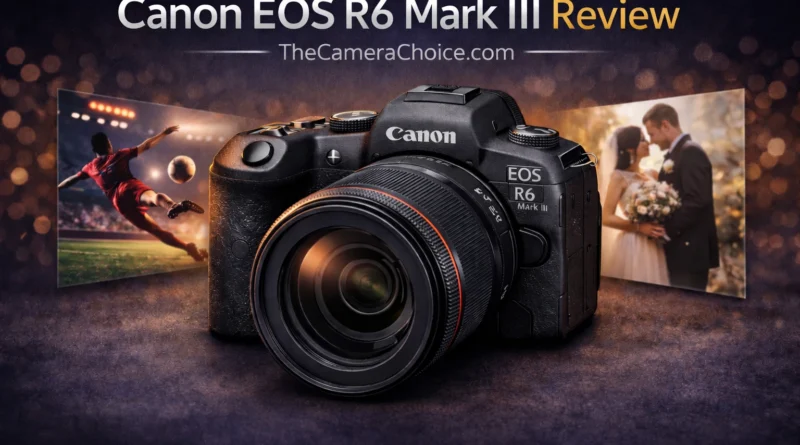
Canon EOS R6 Mark III Review
The “don’t-miss” Canon for working photographers — now with real cropping room — Canon EOS R6 Mark III Review
Canon’s R6 series has always been about one thing: trust. Not the kind that shows up in a spec sheet, but the kind you feel when you’re shooting a wedding ceremony in mixed light, tracking a sprinter under harsh stadium LEDs, or grabbing a fleeting street moment where there’s no second take.
The Canon EOS R6 Mark III keeps that photographer-first identity and modernizes it in the ways pros actually asked for: more resolution for cropping, faster bursts with pre-shooting, and hybrid features that make it a legitimate “one-body” solution for photographers who also deliver video.
If the R6 Mark II felt like the safe choice, the R6 Mark III feels like the safe choice with more headroom.
Check current Canon R8 prices on Amazon
TheCameraChoice Verdict
Buy the Canon EOS R6 Mark III if:
- you shoot people + action (weddings, events, documentary, sports)
- you want Canon color + Canon ergonomics with significantly better cropping flexibility
- you care about keeper rate more than lab-test bragging rights
Skip (or consider alternatives) if:
- you rarely crop and don’t need the speed tools
- you’re purely video-first and would rather have a cooled cinema-style body
- you already own a higher-tier body and want a big generational jump
Score (TheCameraChoice): 9.2/10
A fast, confident, photographer-friendly workhorse that finally gives the R6 line more “editorial and wildlife” breathing room.
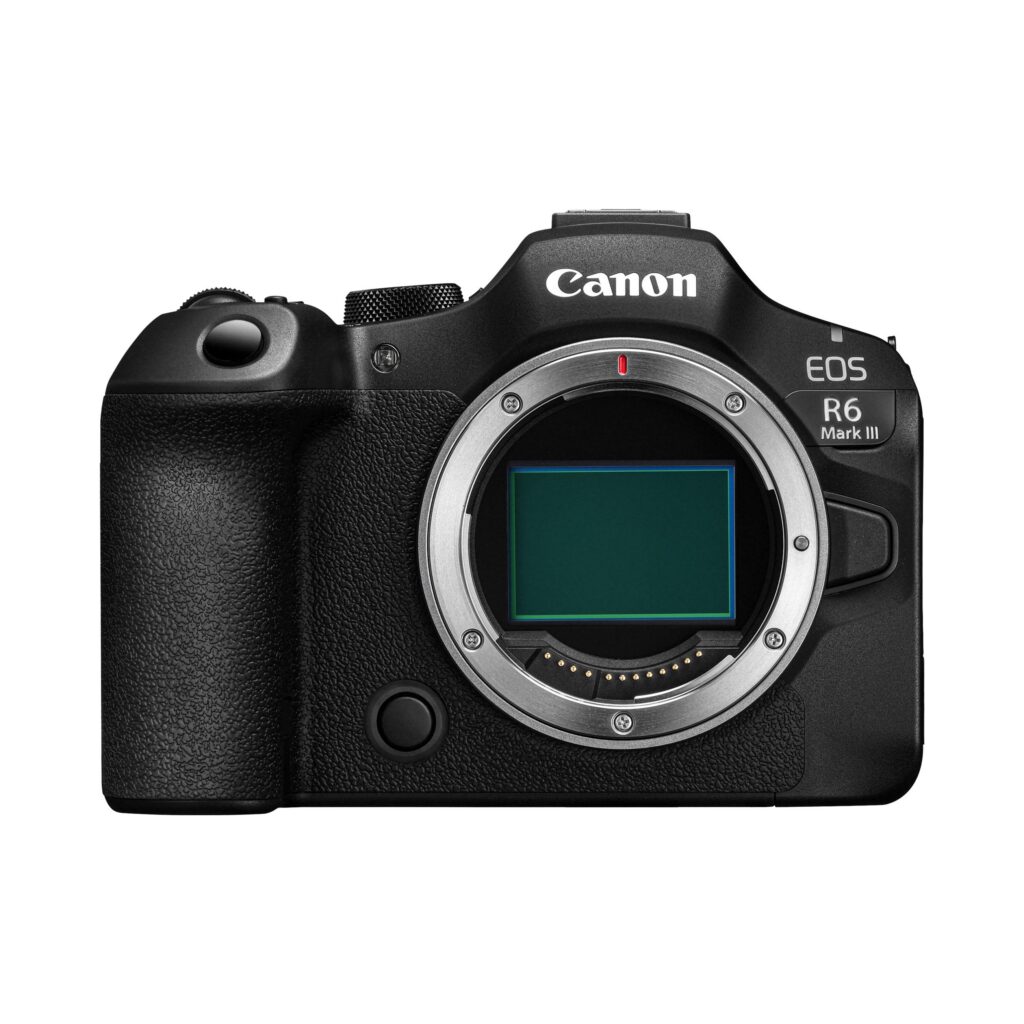
Specs that matter in real assignments (not just on paper)
Here are the headline features that actually change outcomes in the field:
- 32.5MP full-frame sensor: meaningful extra detail and crop room vs 24MP bodies
- Up to 40fps electronic burst + pre-shooting: captures moments you didn’t react to in time
- 12fps mechanical/electronic first-curtain: for those who prefer a more traditional shutter feel
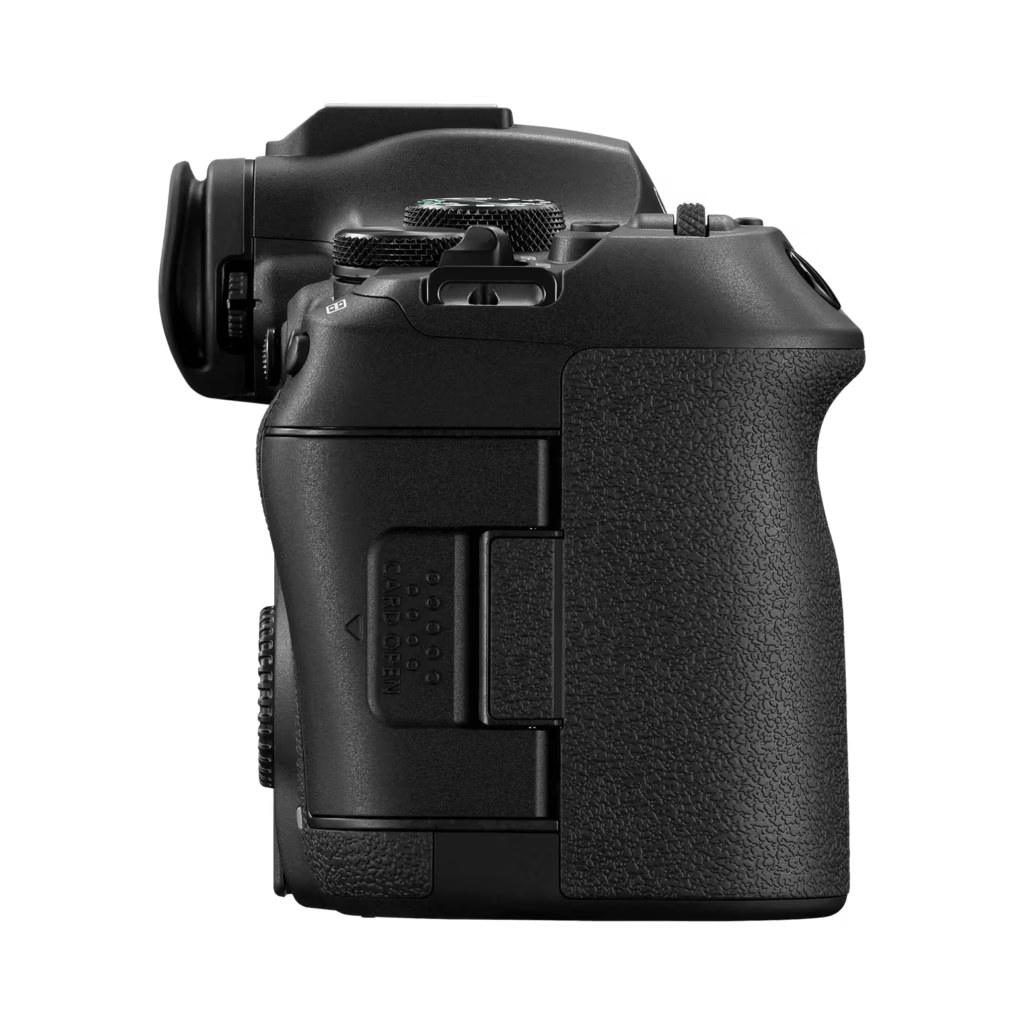
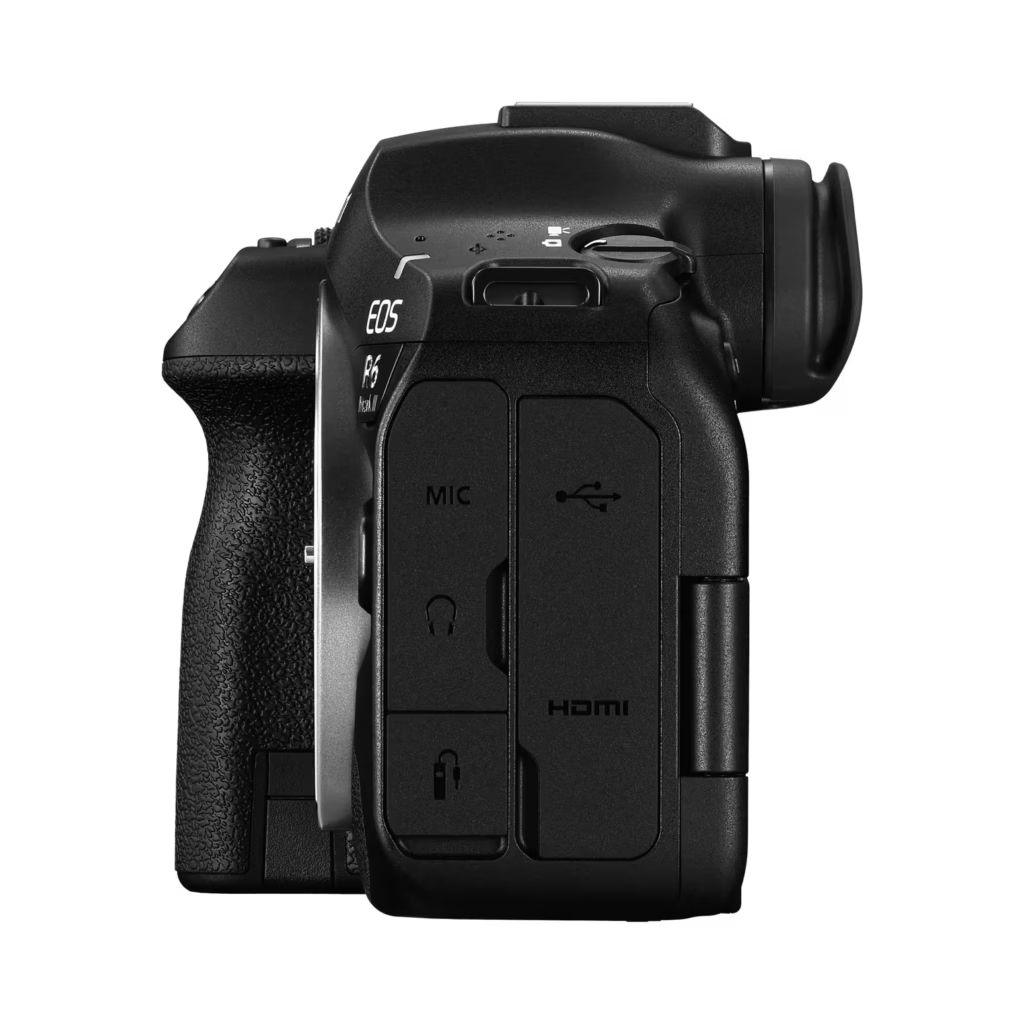
- Dual card slots: CFexpress Type B + SD: speed + redundancy the way working shooters want
- Strong hybrid toolkit: high-quality oversampled 4K options and high-frame-rate modes (if you need them)
Image Quality
Resolution: the upgrade R6 shooters actually wanted
The jump to 32.5MP is the most photographer-relevant change in this generation. It’s not “billboard camera” territory — it’s the sweet spot where you get:
- cleaner subject isolation when you crop for composition
- more flexibility to straighten horizons without feeling punished
- more reach for wildlife/action when you can’t physically get closer
- more usable detail for editorial portraits and product-adjacent work
Real-world effect: you’ll deliver more frames you’re proud of without needing to “fix it later” with heavy-handed upscaling or aggressive noise reduction after a deep crop.
Dynamic range and recoverability
In normal use (RAW workflow), the R6 Mark III gives you enough latitude to rescue minor exposure mistakes — which matters because professionals aren’t always shooting in controlled light. You can protect highlights, lift shadows, and keep skin looking natural without the file turning brittle.
Canon color is still a competitive advantage
Canon’s color science remains a quiet reason many pros stay put. Skin tones are typically warm, believable, and consistent, even under mixed lighting that would push some cameras into green/magenta gymnastics.
If your job is delivering 800 wedding images quickly, “pleasing by default” is not a luxury — it’s a workflow weapon.
Autofocus & Subject Tracking
The R6 Mark III is built to reduce missed shots
Working photographers tend to value AF systems that are predictable over those that are merely impressive. The R6 Mark III’s behavior (in most hands-on reports) matches Canon’s recent strengths:
- sticky face/eye tracking
- confident reacquisition when subjects turn away and return
- stable tracking in cluttered backgrounds (the true test at events)
TheCameraChoice take: If you shoot people for money, the R6 Mark III feels like a camera that wants you to succeed. It doesn’t demand constant second-guessing.
Check current Canon R8 prices on Amazon
Speed, Burst Shooting, and Pre-Shooting
40fps isn’t about “spray and pray” — it’s about certainty
High burst rates are only useful if the camera stays responsive, manages files sensibly, and doesn’t punish you with a sluggish buffer. In practice, the R6 Mark III’s speed shines most in:
- sports: peak limb positions and ball-on-bat moments
- weddings: expressions, laughter, reactions — the stuff clients remember
- wildlife: takeoff, landing, wing positions, head turns
Pre-shooting: the feature you’ll learn to rely on
Pre-shooting changes the psychology of shooting. Instead of trying to predict the exact moment, you can start tracking and commit once it happens, knowing the camera already cached the lead-in frames.
This is one of those features that sounds like marketing until it saves a shot that would otherwise be “almost.”
Handling & Ergonomics
Why Canon bodies keep winning long days
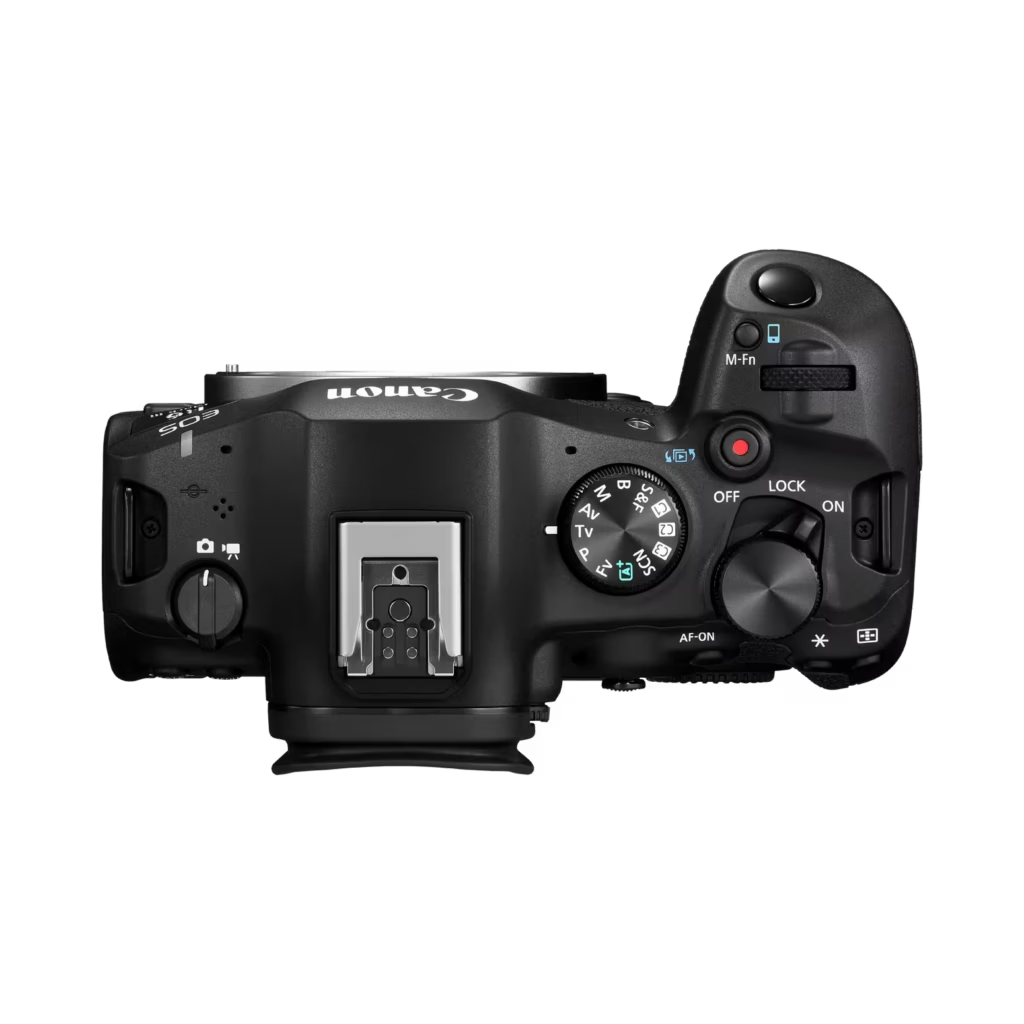
Ergonomics are rarely exciting in reviews — until you shoot 10 hours straight. Canon’s grip shape, button placement, and menu logic are consistently described as “get out of the way” design.
TheCameraChoice twist: Comfort isn’t just comfort — it’s steadiness. When your hand is relaxed, your framing is more precise, your shutter timing is better, and you make fewer mistakes. The R6 Mark III feels built for that reality.
Cards, Storage, and Pro Practicality
CFexpress Type B + SD is the correct combo for paid work
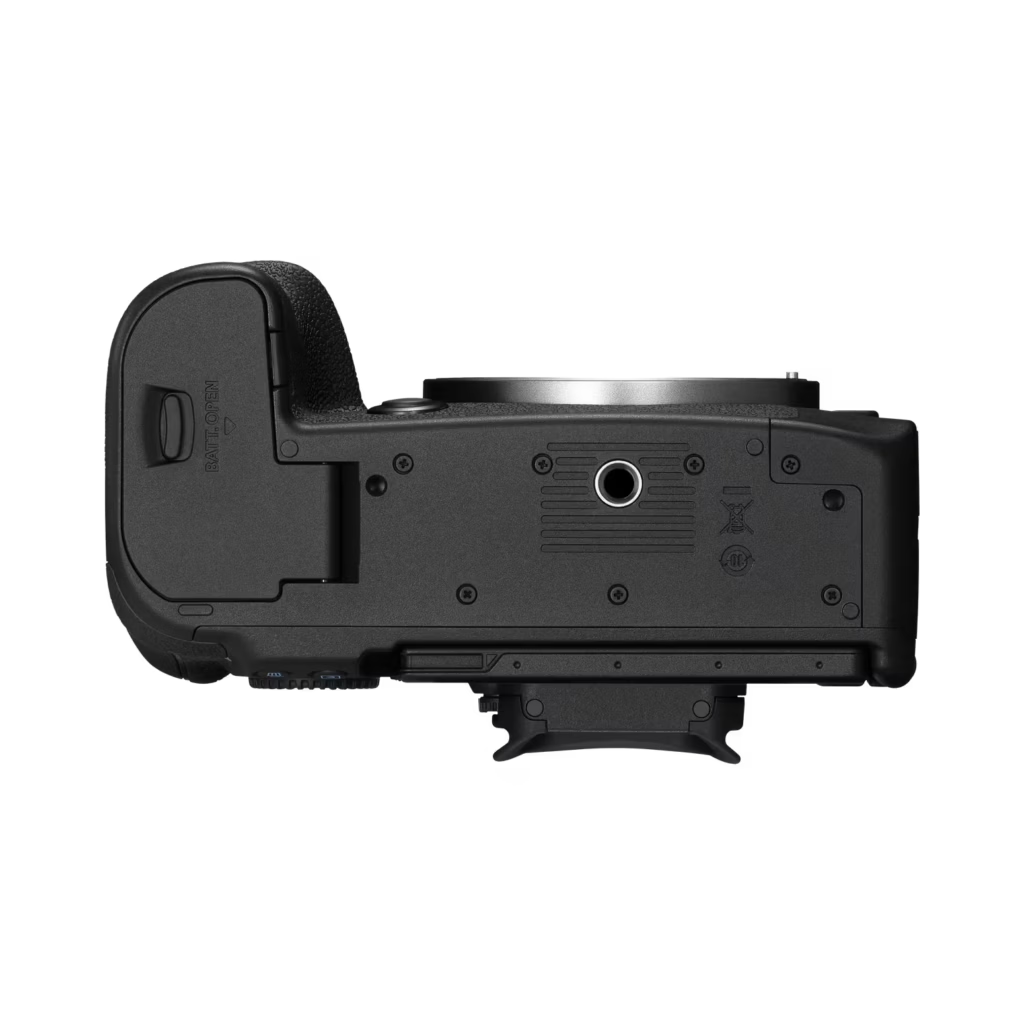
If you’re covering an event, redundancy matters. CFexpress gives you speed headroom for burst-heavy moments and demanding video modes, while SD offers flexible backup workflows.
This slot combo positions the R6 Mark III as a camera you can take to serious jobs without the “mid-tier compromises” some hybrid bodies still carry.
Video (for photographers who “occasionally shoot video”)
You don’t need to be a filmmaker to benefit from modern video features. Many photographers now deliver:
- behind-the-scenes clips
- short social reels
- small interview snippets
- venue walkthroughs or product clips
The R6 Mark III’s hybrid toolset means you won’t hit a ceiling the moment a client asks for motion.
Heat and recording limits — the honest note
If you plan to record heavy, high-data modes for extended periods, you should treat the R6 Mark III like most powerful hybrid cameras: it can do a lot, but sustained thermal performance depends heavily on mode choice, ambient temperature, and workflow. For photo-first shooters who capture short clips, it’s usually a non-issue. For long-form video, plan accordingly.
Best Lenses to Pair with the R6 Mark III
These combinations are popular because they match the camera’s strengths: speed, AF reliability, and real-world versatility.
The “one lens does everything” choices
- RF 24–70mm f/2.8 L IS — the wedding/event staple
- RF 24–105mm f/4 L IS — travel + documentary flexibility
The “money shots” lenses
- RF 70–200mm f/2.8 L IS — ceremonies, stage, sports, portraits
- RF 50mm (fast prime) — low light + signature portrait look
- RF 35mm f/1.8 — affordable, sharp, and practical
Final Thoughts
The Canon EOS R6 Mark III doesn’t try to be flashy. It tries to be dependable, fast, and easy to deliver with — while finally giving the R6 line the resolution that makes cropping and editorial work feel more comfortable.
If your photography involves people, moments, movement, and pressure — this is one of the most “show up and win” bodies Canon has produced in the mid-pro tier.
Check current Canon R8 prices on Amazon
FAQ: Canon EOS R6 Mark III
Is the Canon R6 Mark III worth upgrading to from the R6 Mark II?
If you regularly crop, shoot action, or want the newest burst + pre-shooting tools, yes — it’s a practical upgrade. If you mostly shoot static subjects in good light and rarely crop, the Mark II may still serve you perfectly.
Is 32.5MP enough for professional work?
Absolutely. It’s a strong balance: detailed enough for editorial and commercial-leaning work, but still manageable for weddings/events where you generate thousands of files.
Is the R6 Mark III good for weddings?
Yes — it’s arguably one of the best Canon bodies for weddings because it combines reliable autofocus, strong low-light usability, fast bursts for emotional moments, and comfortable ergonomics for long days.
Is it good for sports and wildlife?
Yes, especially if you value speed and keeper rate. The burst performance and tracking make it very capable for action. For wildlife, the added resolution helps when you can’t fill the frame.
Does it overheat?
It depends on how you use video. Short clips and photo-first hybrid work are typically fine. Long, high-data video modes can introduce heat limits — plan your modes and durations if video is a major part of your workflow.
What memory cards should I buy?
For maximum performance and reliability, use a CFexpress Type B card (especially for bursts and demanding video modes). Use SD as a backup slot or for less intensive work.
What’s the best “first lens” for the R6 Mark III?
If you shoot people/events: RF 24–70mm f/2.8.
If you want versatility on a budget: RF 24–105mm f/4.
If you want a small, sharp prime: RF 35mm f/1.8.
Is the R6 Mark III more for photographers or videographers?
It’s a true hybrid, but it feels photographer-led: speed, autofocus confidence, handling, and deliverable results are the main story. Video is a powerful bonus.